Wednesday, 8 November at 8.15pm in Custume Barracks, Athlone
Talk by Dr Eoin Kinsella
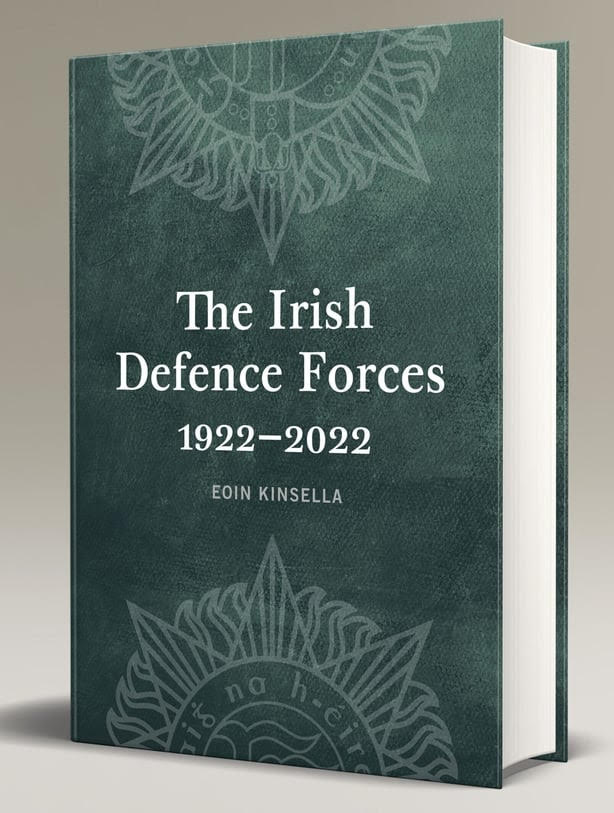
Speaker Dr Eoin Kinsella is Managing Editor of the Dictionary of Irish Biography, a research programme at the Royal Irish Academy. Earlier this year he published The Irish Defence Forces, 1922-2022: servant of the nation (Four Courts Press, 2023).
Published by Four Courts Press in 2023
Summary Tracing its roots to the foundation of the Irish Volunteers in 1913, the Irish Defence Forces has evolved beyond recognition from the National Army that emerged in tandem with the new state in 1922, and was immediately plunged into a civil war. Drawing on his recently published history of the Defence Forces, Eoin will explore some of the key moments and inflection points in the history of the Defence Forces over the past century. Key moments include its rapid decline in prominence after the Civil War, its close co-operation with the British Army during the Second World War, and the roots of its longstanding involvement in overseas peacekeeping operations.
Wednesday, 4 October at 8.15pm in the Sheraton Hotel, Athlone
Talk by Dr Aengus Ó Fionnagáin
Speaker Dr Aengus Ó Fionnagáin is a lecturer in Irish at the University of Limerick. He studied Irish and Geography at U. of Galway (BA 2007) and completed a PhD in Modern Irish (U. of Galway 2012). From 2013-15 he worked on projects such as Logainm.ie (placenames database of Ireland) and Dúchas.ie (digitisation of the national folklore collection), in DCU. He has a keen interest in Irish placenames and surnames, and all aspects of Irish literature and language from 1600 to the present.
His most recent publication is Léann na Sionainne (2023, co-edited with Gordon Ó Riain), a volume of essays on various topics relating to Irish language and literature from the early modern period to the present day. He has published articles on Irish surnames and placenames in a range of peer-reviewed journals, in addition to numerous book chapters on similar topics. Most recently, his study of the sociolinguistic history of the Irish language in Co. Westmeath 1600-1900 was published in Westmeath history and society: interdisciplinary essays on the history of an Irish county (2022, 29th volume of the prestigious Irish County History and Society series by Geography Publications). He is currently working on a book on the placenames of the Athlone area, and on a more long-term project on the townland names of Co. Westmeath. He is also the coordinator of the Westmeath Field Names Project (2018-23), and has published three reports on the progress of the project to date.
Athlone placenames
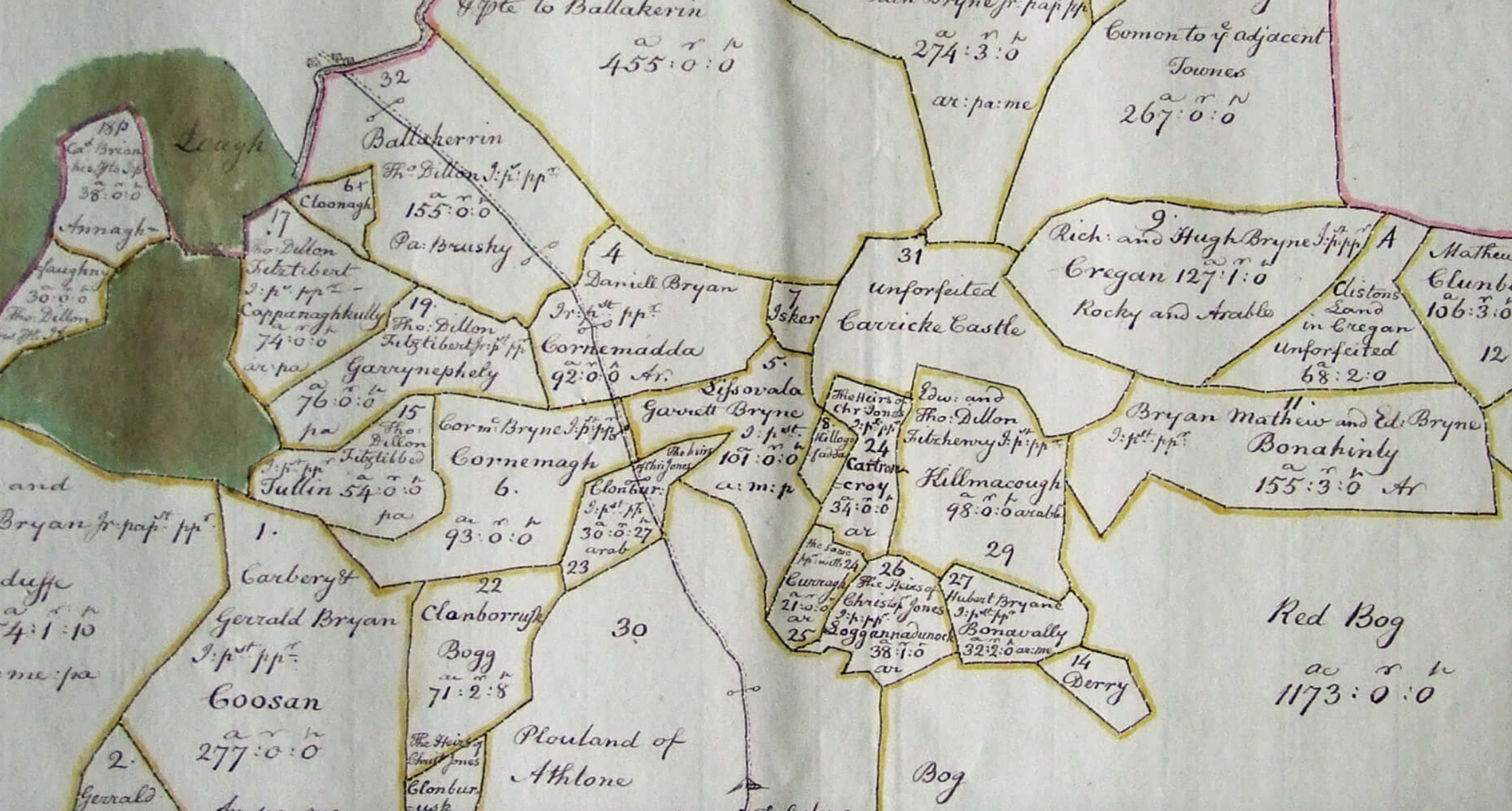
Summary This talk will feature a discussion of the origins, meaning and historical development of a number of townland names, field names (current and historic) and other minor placenames in the Athlone area. The interaction of the Irish and English languages in the area will be discussed briefly, by way of introduction to the topic. This will be followed by a discussion of the nature and importance of the key sources for the study of the area’s placenames, including; Ordnance Survey records, Down Survey maps, State Papers, Deeds, & Irish-language sources. Mention will be made of placenames in St Mary’s & St Peter’s parishes, as well as in some areas adjoining these parishes. There will be a particular focus on the landscape around the town and on the many placenames which reflect its most distinguishing natural features.
The following is a non-exhaustive list of the Irish topographical terms which occur in placenames locally: béal, bealach, bogán, bun, caladh, carraig, cluain, coill, corr, currach, creag, doire, eanach, eiscir, gabhlán, lag, lathach, loch, machaire, maigh, muine, oileán, tulach and srath. These words refer, variously, to the hard and the soft ground around the town, the passes and the boggy impasses, the hills, hollows, ridges, meadows, plains, callows, woods, waterways, and bogs. Many of these features have endured till the present day, others have disappeared in recent times, others still allow us to appreciate the landscape as it was in the more distant past.
Wednesday 26 April at 8.15pm in Lough Ree Yacht Club
Talk by Dr Síobhra Aiken
William English Memorial Lecture: 2023
Summary In this presentation, Síobhra Aiken will reflect on the codes of silence surrounding the Irish Civil War. She will consider the many overlooked civil war testimonies that were published in the 1920s and 1930s, and consider how later generations are also pushing against the silences of the civil war to the present day. This wealth of published testimony reveals that the silence of the Irish Civil War was not necessarily a result of revolutionaries’ inability to speak, but rather reflects the unwillingness of official memory makers to listen to the stories of civil war veterans. Included in the talk will be a figure named Anthony O’Connor, whose novel He’s Somewhere in There provides a fictionalised version of his activities during the Irish Civil War.
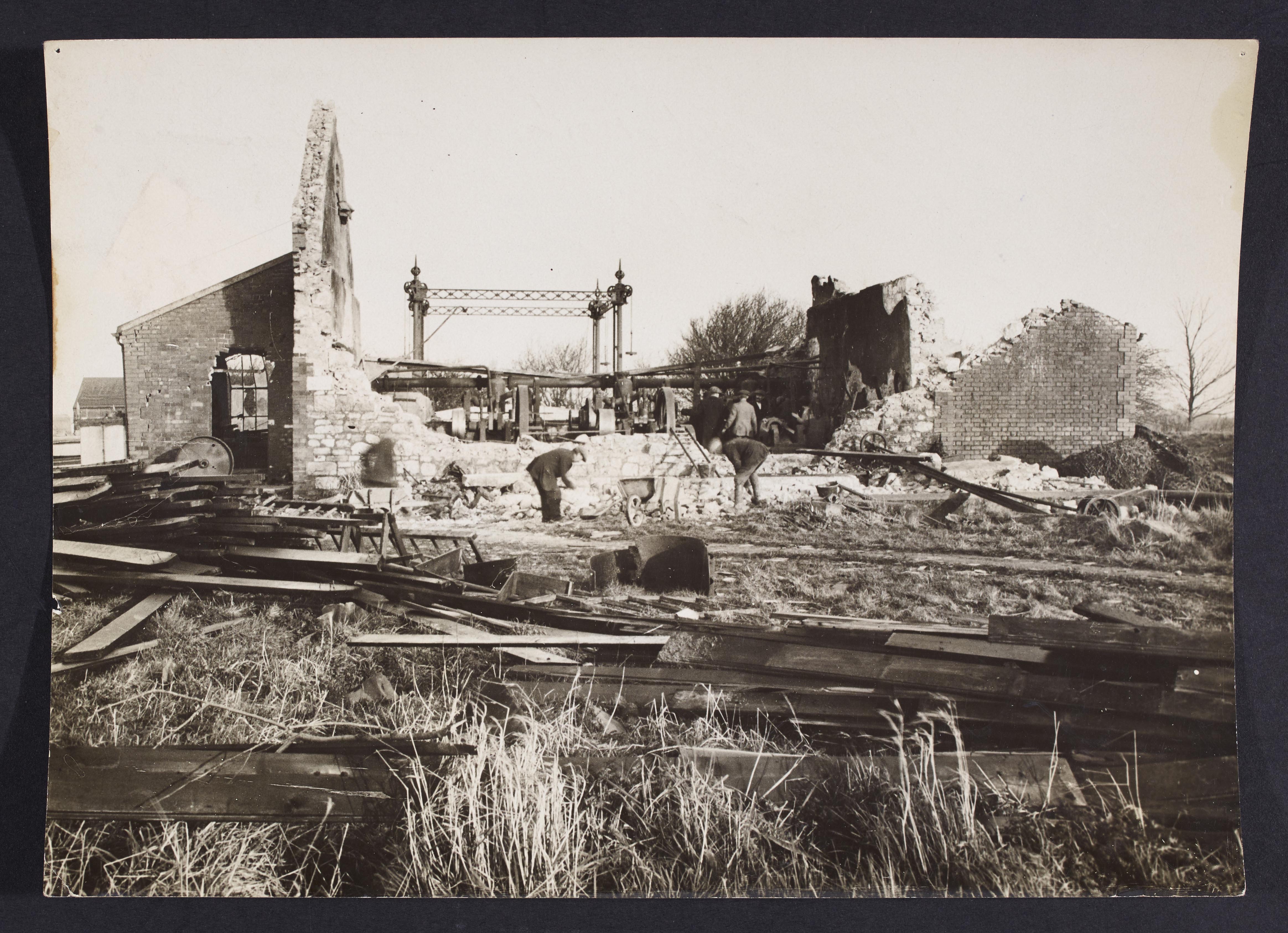
A scene from the Civil War in Athlone: the destruction of Athlone Waterworks by the anti-Treaty IRA in February 1923 (National Library of Ireland)
Speaker Síobhra Aiken is a lecturer in the Department of Irish and Celtic Studies at Queen’s University Belfast and has published widely on the social and cultural history of twentieth-century Ireland. A former Fulbright Scholar, her publications include the monograph Spiritual Wounds: Trauma, Testimony and the Irish Civil War (Irish Academic Press, 2022) and the edited volumes The Men Will Talk to Me: Ernie O’Malley’s Interviews with the Northern Divisions (Merrion Press, 2018) and An Chuid Eile Díom Féin: Aistí le Máirtín Ó Direáin (Cló Iar-Chonnacht, 2018). Her current research project, funded by the Royal Irish Academy, considers multilingual responses to Ireland’s revolutionary period.
Wednesday 22 March at 8.15pm in Athlone’s Lough Ree Yacht Club
Talk by Noel Dunne
Speaker Noel Dunne is a native of Monksland, Athlone and has worked as a professional archaeologist for over 40 years. He has been a Project Archaeologist for over 20 years with Transport Infrastructure Ireland (TII), formerly the National Roads Authority. One of the TII Schemes assigned to Noel was the Whitegates to Marina Building Athlone Cycleway. He has worked with public bodies and private consultancies including: the National Museum of Ireland, Office of Public Works, University College Dublin, Céide Fields Committee, various Local Authorities and Bord na Móna. His work on major projects includes: Céide Fields Interpretative Centre; Clonmacnoise, Derrynaflan and Wood Quay excavations; Donegal, Waterford and Roscommon County Archaeological Surveys; and the Urban Archaeological Survey.
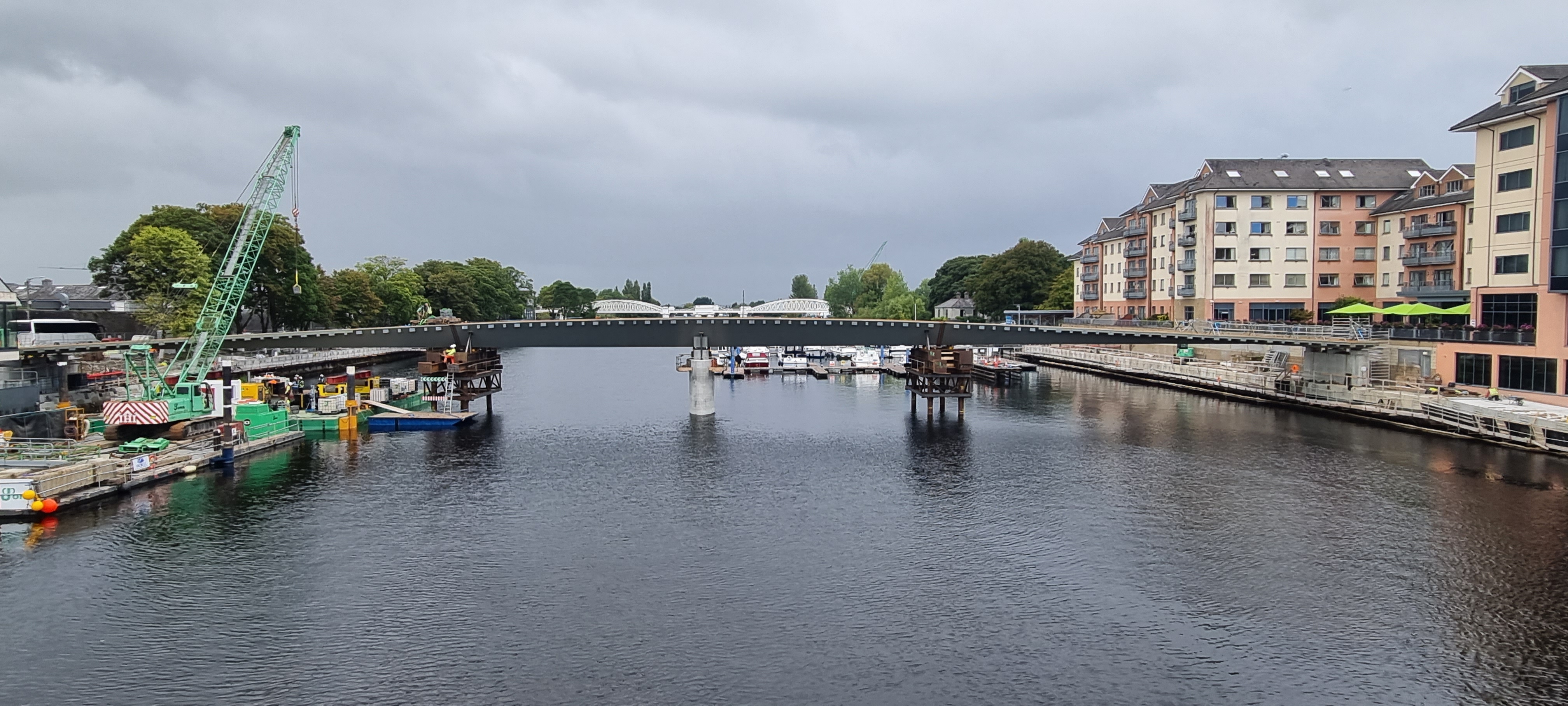
The new bridge under construction with the central span, one of three, being lifted into place, September 2022
Summary The stretch of cycleway between the Whitegates and Marina Building, Athlone, was officially opened to the public by Minister Hildegard Naughton on 11 October 2021. It represents the most recently completed portion of the overall Dublin to Galway Cycleway. (The Cycleway Bridge over the Shannon is currently under construction.) Noel Dunne was the Project Archaeologist for Transport Infrastructure Ireland on the Scheme. His illustrated presentation will explain the archaeological and architectural heritage investigations that were undertaken in advance of, and during, construction works. The Cycleway extends through the Abbey Graveyard and the grounds of St. Vincent’s Hospital, formerly the Athlone Union Workhouse. The investigations mainly relate to these two locations. The presentation will also incorporate the heritage audiobook produced for the Scheme, which was titled ‘The Unsilent Stones: Conservations with the Inhabitants of Athlone’s Abbey Graveyard’.
Wednesday 22 February at 8.15pm in the Officers’ Mess, Custume Barracks
Talk by Angela Wallace
Speaker Angela Wallace has worked as an archaeologist on various projects throughout Ireland and abroad over the past 25 years. She is an archaeology graduate of Galway and University College London. She has worked with multi-disciplinary teams to ensure the best possible solutions for limiting impacts to archaeology and to ensure that the recording of knowledge about the past is carried out to a high standard. Through her business, Atlantic Archaeology, Angela and her team endeavour to ensure results from excavation projects are shared with the wider community.
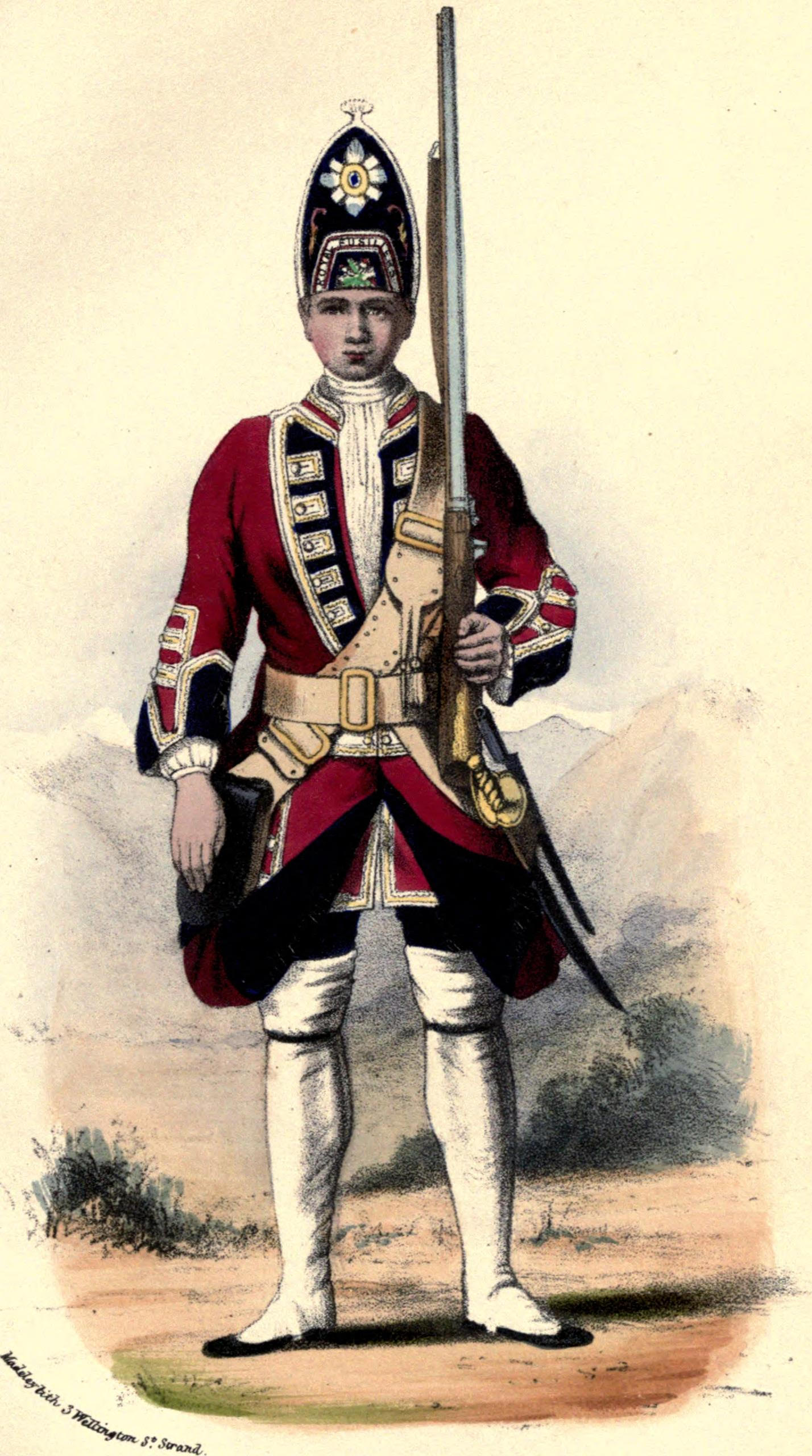
A Soldier of the Royal North British Fusiliers. The regiment was stationed in Athlone during 1733.
Summary Angela Wallace will outline results from archaeological excavations in Athlone during 2018. Many discoveries were made while monitoring excavation works for underground services to the rear of the new Garda station on Barrack Street, Athlone. This work was carried out by Kilcawley Construction who, along with the Office of Public Works, facilitated the work of the archaeologists on site. They uncovered a fascinating glimpse of everyday life for the first soldiers stationed in Athlone during the foundation of the present day Custume Barracks (formerly Victoria Barracks) around 1690.
Tuesday 31 January at 8.15pm in the Sheraton Hotel
Talk by Dr Ian Kenneally
Speaker Ian Kenneally is a historian and author. A project manager and researcher with the media production company Pegasus Consulting, producers of The History Show on RTÉ Radio One, he has researched and written numerous documentaries that have been broadcast in Ireland and abroad. He is the author of multiple books including ‘The Paper Wall: newspapers and propaganda in Ireland during the War of Independence’ (Collins Press) and he recently completed a commissioned history of Athlone Institute of Technology. He was an editor of the highly popular weekly magazine series, The Revolution Papers, and he has contributed to a wide range of publications, including the Atlas of the Irish Revolution. Historian in Residence with Westmeath County Council during 2020, 2021 and 2022, he contributes the weekly ‘Headlines from History’ column to the Athlone Advertiser. He obtained a PhD in history from NUI Galway.
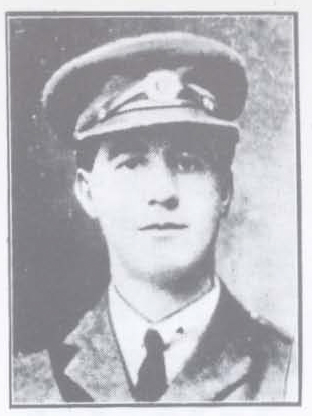
Thomas Hughes, Bogganfin – executed in Athlone, January 1923
Summary On 20 January 1923 newspapers in Westmeath and around the country received a short notice from the headquarters of the National Army in Dublin: ‘Thomas Hughes, Bogganfin, Athlone; Michael Walsh, Derrymore, Caherlistrane, County Galway; Herbert Collins, Kickeen, Headford, County Galway; Stephen Joyce, Derrymore, County Galway; and Martin Bourke, Caherlistrane, County Galway; were tried by military courts-martial on a charge of being in possession, without proper authority, of arms and ammunitions. The five prisoners were found guilty and sentenced to death. The finding and sentences were duly confirmed and the executions carried out in Athlone that morning at eight a.m.’ The five men were members of the anti-Treaty IRA and they were the most recent casualties of Ireland’s Civil War. In this talk, we will explore the circumstances surrounding those executions.
Tuesday29 November at 8.15pm in the Sheraton Hotel
Talk by Dr John Gibney
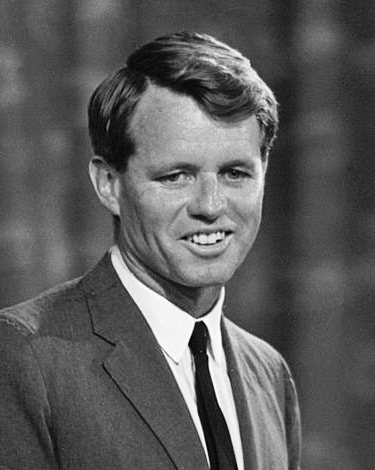
Summary Documents on Irish Foreign Policy publishes archival records relating to Ireland’s foreign relations since 1919. Established as a partnership between the Royal Irish Academy, the Department of Foreign Affairs and the National Archives, since 1998 it has provided a perspective on Irish and international history through the eyes of Irish diplomats and with the imminent publication of Vol.XIII it has reached 1969. But how do we edit these volumes, what do we include and why do we include it, and what do the documents reveal? This lecture will answer these questions by exploring what the series reveals about the upheaval of the 1960s in the United States as seen and experienced by Irish diplomats.
Robert Kennedy
Speaker John Gibney is Assistant Editor with the Royal Irish Academy’s Documents on Irish Foreign Policy (DIFP) series. He is a graduate of Trinity College, Dublin (BA, PhD), and was formerly a postdoctoral fellow at the University of Notre Dame and at NUI Galway. He has worked extensively in tourism and in the heritage and publishing sectors, and has written widely on modern and early modern Irish history and historiography. His books include A short history of Ireland, 1500-2000 (Yale University Press, 2017).
Wednesday2 November at 8.15pm in the Sheraton Hotel
Talk by Rory Masterson
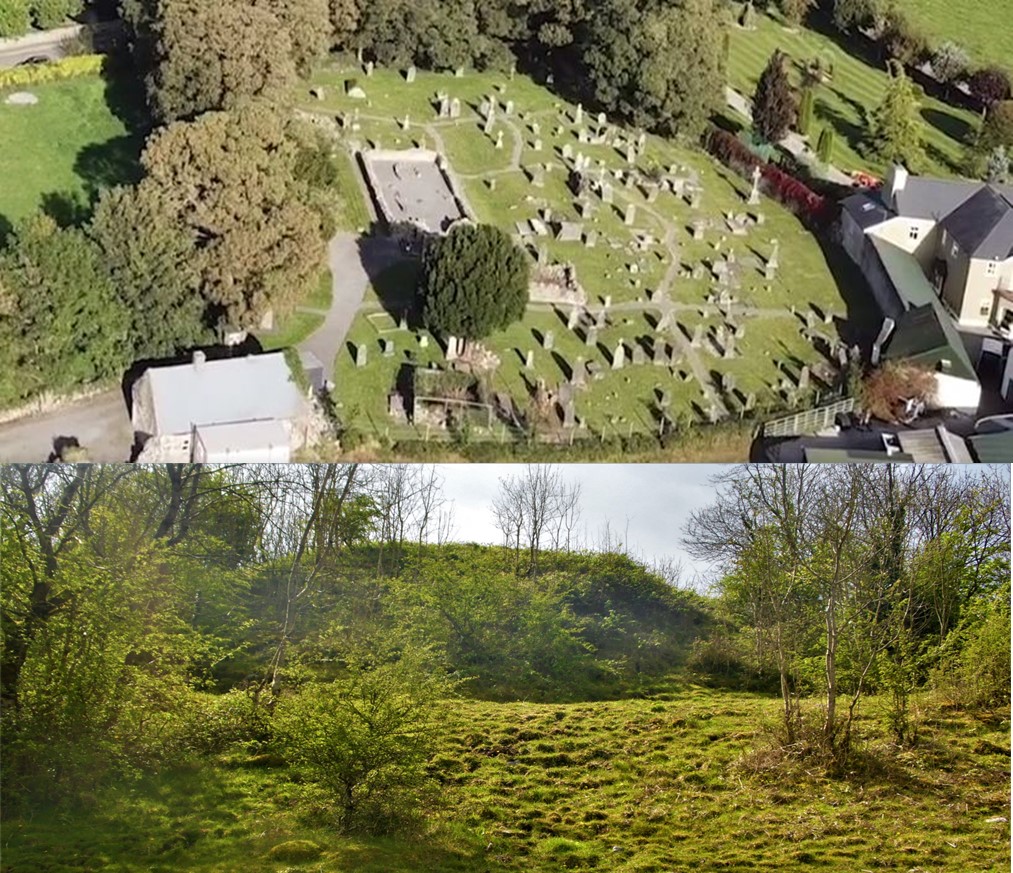
Summary – The talk will focus on the political and religious settlement of the western edges of the Anglo-Norman lordship of Meath. The talk examines the nature and extent of Anglo-Norman colonisation of the baronies of Moycashel, Clonlonan, Brawny, Kilkenny West and Rathconrath, examining to whom these lands were granted and the extent of Anglo-Norman settlement that took place. The nature and purpose of the new religious organisational structures set up by the new colonists is also examined, forming as it did an integral part of the colonial process. The second part of the talk shall focus on the subsequent fortunes of the Anglo-Norman settlement, which by the early fifteenth century was either destroyed or where it survived, did so by adaptation to the conditions of life in a frontier zone. Finally the changes brought about in the Anglo-Norman religious settlement are examined as the new Gaelic lords modified the original religious organisation to fit the changed political realities of the Gaelic revival.
Two photos: the old church and Motte and bailey at Ballyloughloe-Mount Temple (Rory Masterson)
Speaker – A native of Castletown-Finnea, Co. Westmeath, Rory Masterson received a degree in History and Geography from Maynooth University and in 1998 he was awarded a Ph.D. for his study of the barony of Fore in late medieval times. He has recently retired after over forty years teaching at Colaiste Choilm, Tullamore.
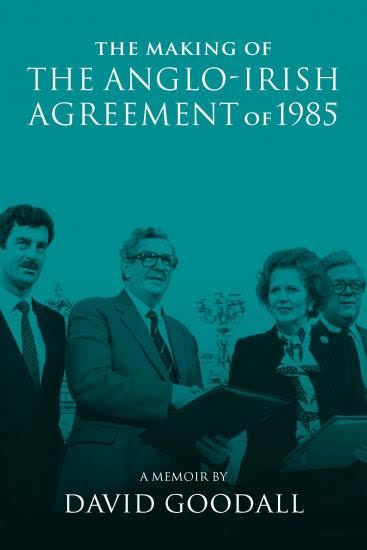
The Story of the Negotiation of the Anglo-Irish Agreement of 1985
Wednesday5 October at 8.15pm in the Sheraton Hotel
Talk by Frank Sheridan
William English Memorial Lecture: 2020-2022
Summary – The Anglo-Irish Agreement (AIA) signed by Garret FitzGerald and Margaret Thatcher on 15 November 1985 was unique in providing a treaty-based arrangement for the government of a territory disputed between two states. In effect, it gave the Irish Government an intrusive role in the processes of the government of Northern Ireland. Frank Sheridan was Private Secretary to Foreign Minister, Peter Barry, during the later stages of the negotiation of the Agreement. In 2021, Frank’s edited account of the memoir of Sir David Goodall, formerly Deputy Head of both the Foreign and Cabinet Offices, was published by Four Courts Press. Goodall kept a personal journal throughout the negotiations from September 1983 to December 1985, which he later transformed into a single narrative account which has, until its recent publication, remained under personal and official embargo. Given that source-material and Frank Sheridan’s personal experience, this talk will provide a gripping account of the negotiation between the two sides as the prospect of an agreement tottered continuously between collapse and survival.
Edited by Frank Sheridan and published by Four Courts Press in 2021
Speaker – Frank Sheridan is a retired Irish diplomat and, at the time of his retirement in 2014, was Irish Ambassador to Brazil. Earlier in his career he had served in the office of Dr Garret FitzGerald when he was Foreign Minister and as Private Secretary to Foreign Minister, Peter Barry, during the later stages of the negotiation of the Anglo-Irish Agreement of 1985. Following retirement, he completed a Master’s degree in Trinity College Dublin in contemporary Irish history, focusing on the New Ireland Forum and the period covered by the memoir of Sir David Goodall. He worked as a researcher on the film documentary John Hume in America and did research too for the late Seamus Mallon, former Deputy First Minister in Northern Ireland, for his memoir (written with Andy Pollak) A Shared Home Place.
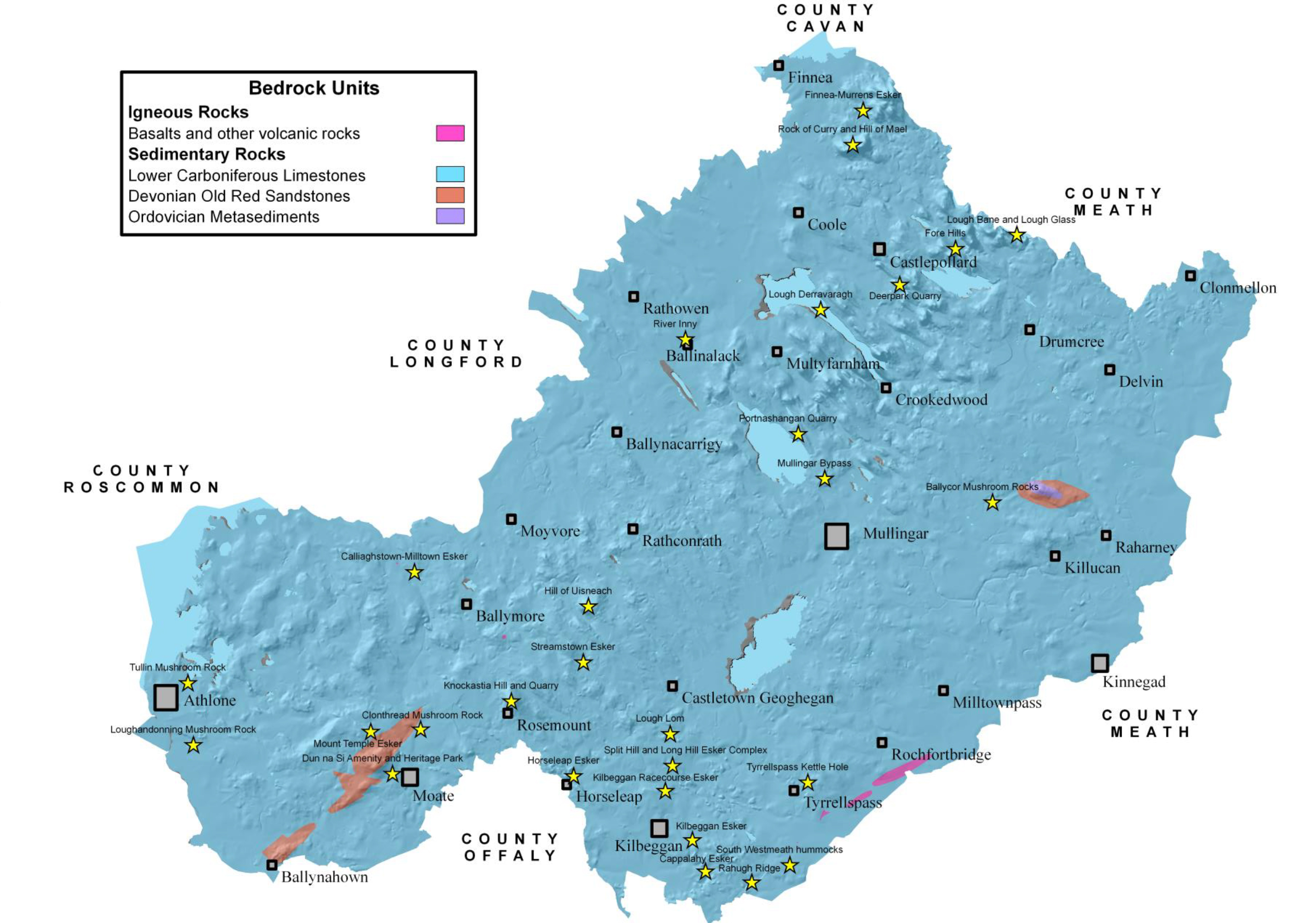
Summary – The last ice age set in about 120,000 years ago and was at its peak by about 29,000 years ago. Such was the extent of ice – up to 1km – that Ireland would have seemed to be multiples of its size today, occupying space out as far as the end of the continental shelf. Robert Meehan’s studies have shown that only 107sq km of Ireland’s 85,000sq km land mass remained above the ice sheet that blanketed us. All of the ice was flowing and it scoured the landscape. The flat midland boglands were sculpted by the ice and there was a glacial lake where the peat bogs are now. The talk will focus on the Westmeath landscape and its Ice Age history, as well as examining how humans use and have used, and interact with, the landscape and its resources in Westmeath.
Simplified Geological Map of County Westmeath – taken from ‘The Geological Heritage of County Westmeath: an audit of County Geological Sites in County Westmeath 2019’ by Robert Meehan, Ronan Hennessy, Matthew Parkes and Siobhán Power
Speaker – Robert Meehan is one of Ireland’s foremost authorities in applied Quaternary geology and the last Ice Age. Robert began mapping Quaternary sediments in 1993 on behalf of Geological Survey Ireland and was awarded a PhD in 1998 for his work on the genesis of Quaternary Sediments in northwest County Meath and adjacent areas (including much of Westmeath). Robert then mapped the subsoils across the entire landmass of Ireland as part of the EPA Soils and Subsoils Mapping project from 1998 to 2006. Since then, he has worked as a consultant geologist on a wide variety of projects and publications, bringing his unparalleled knowledge of Ireland’s Quaternary sediments and geomorphology to bear on a wide range of regional and national projects.

 The Old Athlone Society